
In today’s fast-paced world, maintaining mental and physical wellness can be challenging. Many people seek effective ways to cultivate calmness and balance in their daily lives. Adopting simple daily wellness rituals can significantly contribute to a calmer mind and body, fostering a more peaceful and centered existence.
Rituals can range from mindful breathing exercises to structured activities like yoga or journaling. These practices not only help alleviate stress but also enhance overall well-being. By integrating even a few of these rituals into their routine, individuals can experience a transformation in their mental clarity and emotional stability.
Exploring various wellness strategies allows each person to find what resonates with them most. Whether through quiet meditation or invigorating movement, the goal is to create a harmonious connection between mind and body. Implementing a consistent routine strengthens this connection, leading to profound benefits for one’s mental and physical state.
The Importance of Daily Wellness Rituals
Incorporating daily wellness rituals can significantly enhance both mental and physical well-being. These practices promote a sense of calm and help in establishing consistent, healthy habits.
Benefits for a Calmer Mind and Body
Daily wellness rituals create a structured approach to self-care. Engaging in practices like meditation, yoga, or mindfulness promotes relaxation. They lower stress levels and enhance emotional resilience.
Research indicates that dedicating time to these rituals can improve focus. Individuals often experience reduced anxiety and increased feelings of contentment. Simple practices, such as deep breathing or gratitude journaling, cultivate a peaceful mindset. Regular engagement in these activities also fosters improved sleep quality. A calmer mind contributes to a more restful night, which is essential for overall well-being.
Building Consistent Healthy Habits
Establishing daily wellness rituals helps individuals create lasting habits. This consistency can be crucial in maintaining physical health and emotional balance. When rituals become routine, they require less mental effort to maintain.
Setting specific times for these practices encourages commitment. Writing down goals and tracking progress can enhance motivation. Over time, these rituals lead to a healthier lifestyle where individuals are more attuned to their needs.
Incorporating small, achievable rituals is vital for building habits. Examples include morning stretches or evening reflections. These practices can lead to broader lifestyle changes, promoting well-being.
Traditions and Modern Practices
Daily wellness rituals can draw from both traditional practices and modern approaches. Many cultures include meditation, tai chi, or mindfulness as part of their wellness routines. These long-standing traditions provide proven methods for cultivating a calmer mind. Modern practices, such as guided meditation apps, offer accessible options. This technology allows individuals to personalize their wellness journey, making rituals adaptable to busy lifestyles.
Integrating both traditional and contemporary methods enhances the effectiveness of rituals. They harmonize ancient wisdom with current needs, ensuring comprehensive well-being. Embracing a variety of practices can enrich daily life and deepen one’s commitment to health.
Fundamental Morning Rituals for Clarity and Energy
Morning rituals can significantly enhance mental clarity and physical energy. Incorporating practices such as mindfulness meditation, gratitude journaling, and intentional movement helps set a positive tone for the day.
Mindfulness Meditation
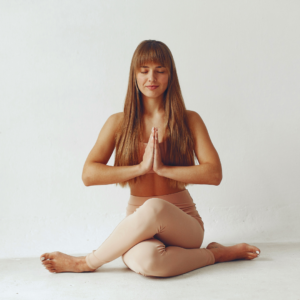
Mindfulness meditation encourages individuals to focus on the present moment. This practice enhances mental clarity by reducing distractions and calming racing thoughts.
To practice, sit comfortably with a straight back.
- Close your eyes.
- Take deep breaths, inhaling through the nose and exhaling through the mouth.
- Notice sensations in the body, sounds around, or simply follow the breath.
Even five to ten minutes can lead to a noticeable shift in mood and focus. Over time, consistent meditation fosters an overall sense of calm and clarity.
Gratitude Journaling
Gratitude journaling serves as a powerful tool for fostering a positive mindset. It involves writing down things one is grateful for, which can help shift focus from challenges to appreciation.
To begin, take a notebook and a pen. Each morning, jot down three to five things that evoke gratitude. These can range from simple joys to significant events.
- Reflecting on positive aspects of life can increase resilience.
- This practice promotes mental well-being and reduces stress.
Engaging in gratitude journaling consistently can lead to more energy and a brighter outlook throughout the day.
Intentional Movement and Full-Body Massage
Incorporating intentional movement helps energize the body and clear the mind. This can include yoga, stretching, or a brisk walk. Engaging in movement fosters blood circulation and boosts endorphin levels. Including a full-body massage enhances this effect. It can alleviate muscle tension and promote relaxation.
- Individuals may use self-massage techniques or seek a professional massage.
- Focus on tight areas, applying gentle pressure.
Together, these practices build physical energy while improving mental clarity, setting a positive foundation for the day. However, self-massage may not always be enough to fully release deeper muscle tension or address persistent tightness. To achieve more effective relief, individuals can consider options like a mobile massage in Las Vegas (or something similar in their locality) to receive professional treatment in the comfort of their own space. This allows targeted attention to tight areas with proper techniques that support better relaxation and recovery.
Evening Routines for Relaxation and Wellbeing
Incorporating specific evening rituals can significantly enhance relaxation and overall well-being. Key practices include the use of aromatherapy, thoughtful reflective self-care, and the restorative experience of forest bathing. Each of these elements plays a vital role in establishing a calm mind and body at the end of the day.
Aromatherapy and Essential Oils
Aromatherapy utilizes essential oils to promote relaxation and emotional balance. Lavender, chamomile, and sandalwood are particularly known for their calming properties. Diffusing these oils in the evening can create a tranquil atmosphere, preparing the mind and body for rest.
To use aromatherapy effectively, one can add a few drops of essential oil to a diffuser or a warm bath. Rubbing diluted oils onto pulse points can also enhance their effectiveness. Incorporating this practice into an evening routine not only soothes the senses but also helps alleviate stress accumulated throughout the day.
Reflective Self-Care Rituals
Engaging in reflective self-care rituals can facilitate deeper relaxation. This may include journaling, where individuals express their thoughts and emotions from the day. Maintaining a gratitude journal is another beneficial practice. Listing three positive experiences can shift focus from stress to moments of joy.
Meditation or mindful breathing exercises are also effective during the evening. These activities promote a sense of calm, allowing for a transition from daily activity to peaceful rest. Dedicating even a few minutes to self-care can make a significant difference in mental clarity and relaxation levels.
Unwinding with Forest Bathing
Forest bathing, or Shinrin-yoku, involves immersing oneself in nature to enhance wellbeing. This practice encourages individuals to soak in the sights, sounds, and fragrances of their surroundings. Spending time outdoors in the evening can help reinforce a connection to nature and reduce stress.
A short walk in a local park or wooded area allows for deep breathing and relaxation. Focusing on the natural environment can cultivate mindfulness as one observes the changing sky or the rustle of leaves. This experience not only calms the mind but also contributes to emotional resilience and overall comfort.
Boosting Connection and Happiness through Daily Practices
Daily practices can significantly enhance an individual’s sense of connection and happiness. By incorporating specific rituals into their routine, one can cultivate gratitude, strengthen relationships, and embrace mindfulness.
Fostering Gratitude and Positivity
Gratitude plays a crucial role in enhancing happiness. Individuals can create a gratitude journal, where they write down three things they appreciate each day. This simple exercise can shift focus from negative thoughts to positive experiences.
Additionally, expressing gratitude to others can deepen connections. A quick note, text, or verbal acknowledgment of someone’s impact can strengthen relationships and foster a positive environment. Research shows that gratitude can lead to increased levels of contentment and overall wellness.
Strengthening Social Connections
Social connections are vital for emotional well-being. Scheduling regular catch-ups with friends or family can create lasting bonds. Whether through coffee dates, phone calls, or group activities, these interactions are essential for maintaining relationships.
Joining community groups or clubs that align with personal interests also aids in forging new friendships. This can provide a sense of belonging, which is key to enhancing happiness. Engaging in shared interests fosters deeper connections and encourages collaborative experiences.
Incorporating Mindful Daily Habits
Incorporating mindfulness into daily routines can reduce stress and enhance joy. Simple practices like meditation, deep breathing, or mindful walking can ground the mind and body. These habits allow individuals to be present, appreciating each moment.
Additionally, setting aside time for hobbies or activities that bring joy can provide a mental break. This deliberate focus on personal interests promotes a sense of fulfillment. Mindful eating, for instance, encourages one to appreciate meals, enhancing physical health while strengthening the mind-body connection.