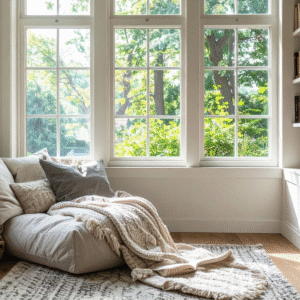

For those looking to spruce up their living space, easy DIY home projects can provide an accessible starting point. These beginner-friendly tasks not only enhance the home but also offer a satisfying way to develop new skills. Whether it’s refreshing a room’s decor or building simple furniture, anyone can create a more personalized environment.
However, not every task is suitable for a DIY approach, especially for beginners. More technical or high-risk work can quickly become complicated and may lead to costly mistakes or safety concerns. Problems like faulty plumbing are best handled by a plumber for pipe repair, as improper fixes can result in leaks, water damage, or ongoing maintenance issues. Electrical wiring also falls into this category, since mistakes can pose serious safety risks, including fire hazards. Understanding these limits helps keep home improvement projects safe, efficient, and stress-free.
Engaging in DIY projects can be a rewarding way to express creativity while saving money. From small updates like painting to more intricate builds such as shelving units, these projects can be tailored to fit any skill level. With the right guidance, beginners can take pride in transforming their homes without feeling overwhelmed.
This blog post will explore a range of easy DIY projects perfect for novices. Readers will find step-by-step instructions and tips to successfully tackle these tasks, making home improvement both doable and enjoyable.
Essential Tools And Materials For Easy DIY Projects
Getting started with DIY home projects requires the right tools and materials. Having essential tools at hand can significantly enhance efficiency and safety while working on projects. Choosing appropriate materials is equally important for achieving the desired results.
Choosing The Right Basic Tools
When beginning DIY projects, a core set of tools is critical. Essential tools include:
- Hammer: For driving nails and assembling materials.
- Screwdriver Set: A mix of flathead and Phillips screwdrivers to handle various screws.
- Tape Measure: For accurate measurements to ensure precision.
- Utility Knife: Useful for cutting different materials like cardboard and plastic.
- Level: Ensures that items are aligned properly.
Investing in quality tools can improve project outcomes. Beginners should opt for hand tools with comfortable grips and durable materials. For power tools, consider a drill and a saw, ensuring safety features are prioritized.
Selecting Safe And Effective Materials
Choosing the right materials is critical for the success of DIY projects. Materials should meet the project’s specific requirements:
- Wood: Use plywood or hardwood for structural projects.
- Paint: Select non-toxic, low-VOC options for safety indoors.
- Fasteners: Use screws and nails that suit the material thickness.
Reading labels helps ensure materials are appropriate for their intended use. Beginners should start with easy-to-handle materials to build confidence. Seeking recommendations from local hardware stores can aid in making informed choices.
Preparing Your Workspace
A well-prepared workspace enhances focus and safety. Begin by selecting a flat, clean surface, like a workbench or table.
Key steps include:
- Decluttering: Remove unnecessary items to create an organized zone.
- Lighting: Ensure adequate lighting to avoid accidents and mistakes.
- Safety Gear: Equip with gloves, goggles, and masks for protection.
Establishing a designated area for DIY tasks can streamline work and increase productivity. Keeping tools organized also minimizes distractions and helps maintain momentum throughout projects.
Simple Home Decor DIY Projects For Beginners
Beginners can easily enhance their spaces with accessible DIY projects that require minimal supplies and skills. These projects focus on home decor elements, allowing them to personalize their environments without a hefty investment.
Transforming Spaces With Painting
Painting is one of the simplest ways to refresh a room. A beginner can effectively change the atmosphere by selecting new colors for walls or furniture.
Preparation is key. Before beginning, it’s wise to protect furniture, decor, and personal belongings from spills, dust, or accidental damage by relocating them to a secure storage solution, such as Page Street, for instance. Once the area is clear, select a color palette that suits the desired mood. For a calming environment, consider soft blues or greens. For energetic spaces, brighter hues like yellows or reds work well.
Gather necessary supplies: paint, brushes, painter’s tape, and drop cloths. Apply painter’s tape to keep edges clean. Two coats of paint often provide the best coverage, and using a primer can improve adhesion and color vibrancy.
Crafting With Spray Paint
Spray paint offers endless possibilities for home decor projects. It is ideal for transforming outdated items into fresh, trendy decor pieces.
Select objects that need an update, such as vases, frames, or furniture. Clean them thoroughly before starting. Choose a spray paint suitable for the material type—plastic, wood, or metal.
Apply the spray paint outdoors or in a well-ventilated space. Use even, sweeping motions to avoid drips and achieve a uniform finish. Multiple light coats create a better look than one thick application. Let each layer dry completely before applying the next.
Creating Printable Art For Walls
Printable art allows for instant personalization without the need for complicated artistic skills. Many online platforms offer a wide variety of designs, from inspirational quotes to abstract visuals.
Begin by selecting a style that complements existing decor. Download high-resolution files and print them on quality paper. Framing the prints enhances their appearance and adds a polished touch to the wall.
Choose frames that match the decor theme. Consider creating a gallery wall by mixing different-sized frames for visual interest. This DIY project is both economical and flexible, enabling adjustments at any time as tastes evolve.
Making Decorative Candles
Candles serve as both functional and aesthetic elements in home decor. Creating personalized candles can enhance ambiance and provide a unique touch.
Start with candle-making kits or repurpose old candles by melting them down. Choose fragrance oils or essential oils for custom scents. Various molds can be used to create different shapes and sizes.
Place the candles in decorative holders or containers to match the decor style. Adding color or embellishments, like herbs or glitter, can elevate the finished product. Ensure safety by following candle-making guidelines, including proper ventilation and monitoring melting temperatures.
Step-By-Step Easy Home Improvement Projects
Simple home improvement projects can enhance both functionality and aesthetics. The following projects require minimal experience but yield impressive results.
Building A Stylish Coffee Table
Creating a coffee table adds a personal touch to living spaces. Begin by selecting materials; wood is a popular choice for its durability and aesthetics. A basic rectangular design is easy to achieve.
- Materials Needed:
- Wooden boards (choose the thickness based on preference)
- Wood screws
- Sandpaper
- Wood stain or paint (optional)
- Instructions:
- Cut the boards to the desired dimensions for the tabletop and legs.
- Sand all edges to ensure a smooth finish.
- Assemble the legs using screws for stability.
- Attach the tabletop to the legs after confirming it is level.
- Finish with stain or paint for a polished look.
This project allows for creativity through the choice of color and style.
Upgrading Storage Solutions
Improving storage can declutter and organize home spaces effectively. Adding shelves is a simple yet impactful solution. It’s a practical way to utilize vertical space.
- Materials Needed:
- Shelving boards
- Brackets
- Drill
- Level
- Tape measure
- Instructions:
- Identify the wall area needing shelves.
- Use the tape measure to determine appropriate heights and placements.
- Mark the bracket locations with a pencil.
- Drill holes and secure the brackets into the wall.
- Place the shelves on the brackets, ensuring level alignment.
Organizing items on shelves enhances the home’s look and productivity.
While DIY projects like shelving significantly enhance a home’s look and productivity, more extensive renovations or new constructions often require a professional touch. Engaging with an architect ensures that larger-scale visions are not only aesthetically pleasing but also structurally sound and compliant with local regulations. These experts bring a wealth of knowledge in design, planning, and project management, transforming complex ideas into functional and beautiful living or working spaces. For those considering significant property enhancements or new builds, consulting a qualified architect in St Neots can provide invaluable guidance from conception to completion.
Alongside structural and design improvements, managing belongings during storage upgrades or renovation work is an important practical consideration. Furniture, décor, and personal items often need to be moved temporarily to keep work areas clear and prevent damage. In such situations, choosing to speak with a storage business can provide a secure and flexible option for storing items while projects are underway, helping maintain order and reduce disruption throughout the process.
Eco-Friendly Cleaning Products For The Home
Household cleaning can become greener with DIY solutions. Natural ingredients reduce chemical exposure and are often effective.
- Common Ingredients:
- Baking soda
- Vinegar
- Lemon juice
- Essential oils (optional for fragrance)
- Basic Recipes:
- All-Purpose Cleaner: Mix equal parts water and vinegar in a spray bottle.
- Scrub Cleaner: Combine baking soda with water to form a paste.
These products clean effectively without harmful chemicals, benefiting both the home and the environment.