
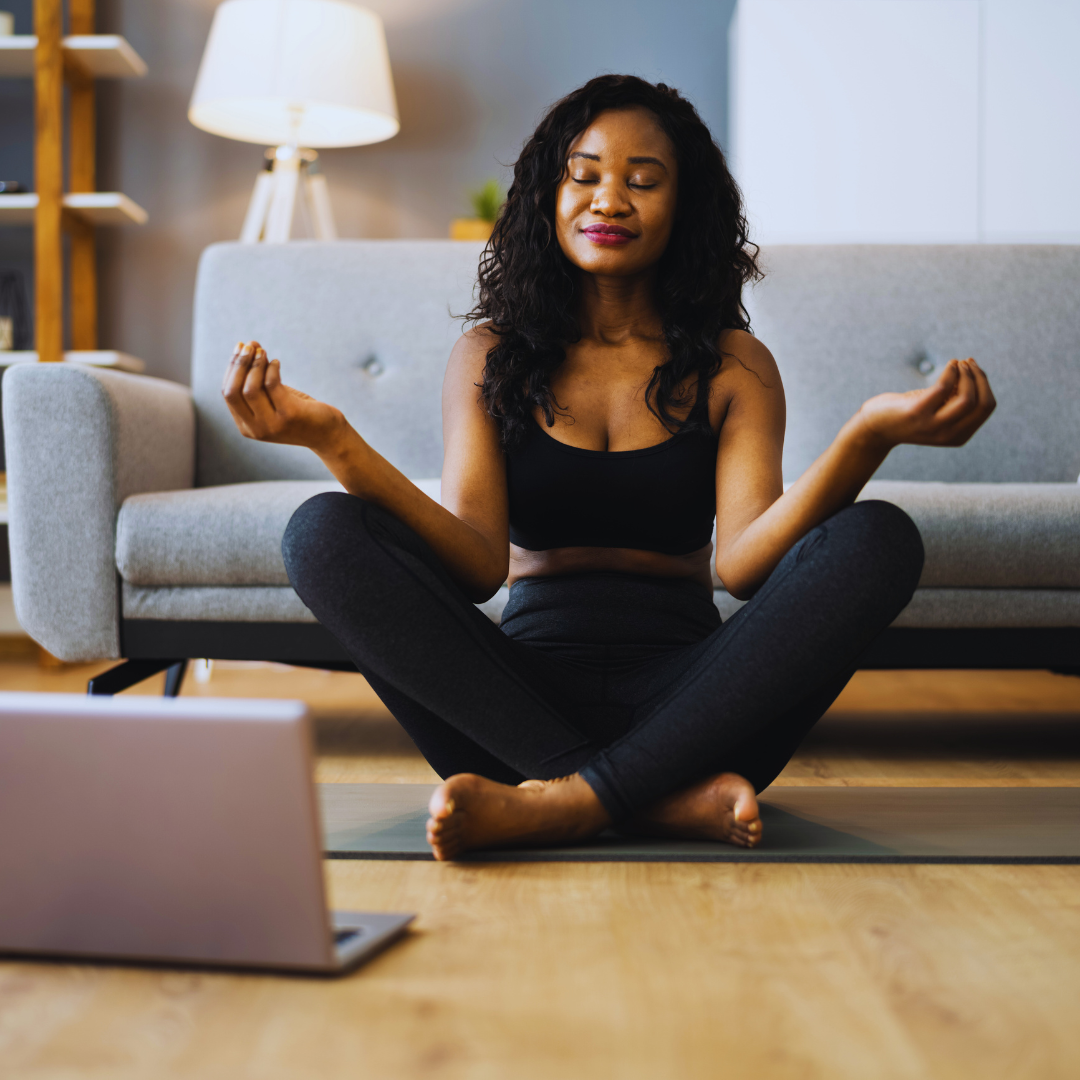
Managing stress naturally at home can significantly enhance one’s well-being. Incorporating simple, effective techniques into daily life allows individuals to cope with stress in a healthy way. From mindful breathing exercises to the use of essential oils, these methods promote relaxation and create a calm environment.
Creating a designated space for relaxation is another essential step. This area can be used for meditation, reading, or simply unwinding after a hectic day. By fostering such an atmosphere, individuals can better manage stress and improve their overall mental health.
Moreover, engaging in regular physical activity, along with maintaining a balanced diet, plays a crucial role in stress management. These lifestyle choices contribute not just to physical fitness but also to emotional resilience. By adopting these natural strategies, individuals can take charge of their stress and enhance their quality of life.
Understanding Stress and Its Impact
Stress is a natural response that can have significant effects on both mental and physical health. Recognizing its symptoms and understanding the potential health risks of chronic stress is essential for maintaining well-being.
Common Symptoms of Stress
Stress manifests in various ways. Common symptoms include:
- Emotional signs: Irritability, anxiety, and mood swings.
- Physical symptoms: Headaches, muscle tension, fatigue, and sleep disturbances.
- Cognitive impacts: Difficulty concentrating or making decisions.
These symptoms can vary in intensity and may be temporary or persist over time. Addressing these signs early can help prevent escalation into more serious health issues.
Health Risks of Chronic Stress
Chronic stress is linked to multiple health complications. Prolonged exposure can lead to:
- Heart disease: Increased blood pressure and cholesterol levels can strain the cardiovascular system.
- Diabetes: Stress affects blood sugar levels, potentially leading to insulin resistance.
- Obesity: Hormonal changes from stress can trigger weight gain and unhealthy eating habits.
Additionally, chronic stress compromises the immune system, increasing vulnerability to illnesses. Recognizing these risks is crucial for timely intervention and lifestyle adjustments.
The Link Between Stress, Anxiety, and Depression
Stress is closely associated with anxiety and depression. Individuals experiencing high stress are at greater risk for developing:
- Anxiety disorders: Persistent worry and panic attacks may emerge.
- Depressive symptoms: Ongoing stress can lead to feelings of helplessness and sadness.
The interplay between these conditions complicates mental health. It is vital to address stress proactively, as its effects can amplify anxiety and depression. Identifying these connections helps in creating effective management strategies for emotional well-being.
Lifestyle Changes for Natural Stress Management
Making specific lifestyle changes can significantly improve stress management at home. Incorporating physical activity, optimizing sleep, maintaining healthy nutrition, and avoiding unhealthy habits contribute to overall well-being.
Physical Activity and Exercise
Engaging in regular physical activity is crucial for managing stress. Exercise releases endorphins, which are natural mood lifters. For effective stress relief, aim for at least 150 minutes of moderate aerobic activity each week.
Activities such as walking, swimming, or cycling can help. Strength training should also be included twice a week. Engaging in yoga or tai chi combines physical movement with mindfulness, further reducing stress. Those who maintain an active lifestyle often experience lower levels of anxiety and improved mood.
Optimizing Sleep for Stress Relief
Quality sleep is essential for managing stress effectively. The National Sleep Foundation recommends that adults aim for 7-9 hours of sleep per night. Poor sleep can exacerbate stress and lead to insomnia.
To enhance sleep quality, establish a consistent sleep schedule by going to bed and waking up at the same time daily. Create a comfortable sleep environment, free from distractions such as electronic devices. Implement relaxing bedtime routines, like reading or listening to calming music, to signal the body that it is time to wind down.
Nutrition and Healthy Eating Habits
Nutrition plays a significant role in stress management. A balanced diet helps regulate mood and energy levels. Focus on whole foods, incorporating plenty of fruits, vegetables, whole grains, and lean proteins.
Certain nutrients can be particularly beneficial. For example, Omega-3 fatty acids, found in fatty fish and flaxseeds, may help lower anxiety. Staying hydrated is also key; dehydration can lead to irritability and undermine stress management efforts. Regular meals prevent blood sugar fluctuations that can trigger stress responses.
Avoiding Unhealthy Practices
Avoiding unhealthy habits is vital for effective stress management. Smoking, excessive alcohol consumption, and caffeine can increase stress levels.
Substituting these with healthier alternatives can make a difference. For instance, herbal teas or infused water can replace caffeinated drinks. Practicing moderation with alcohol or quitting smoking altogether enhances physical health and reduces anxiety. Engaging in mindfulness practices or hobbies can offer healthier outlets for stress as well.
Effective Relaxation Techniques at Home
Managing stress effectively can often begin at home through various relaxation techniques. These methods can enhance one’s overall well-being and provide tools to cope with daily stressors.
Deep Breathing Exercises
Deep breathing exercises can be a simple yet powerful way to induce relaxation. They focus on slow, deliberate breaths, which help activate the body’s relaxation response.
A common technique is the 4-7-8 method:
- Inhale deeply through the nose for 4 seconds.
- Hold your breath for 7 seconds.
- Exhale slowly through the mouth for 8 seconds.
This practice calms the nervous system and reduces heart rate. Incorporating it into daily routines can make a noticeable difference in stress levels.
Meditation and Mindfulness Practices
Meditation and mindfulness practices promote awareness of the present moment. They can help individuals detach from stressors and ground themselves in their environment. Starting with just a few minutes each day can lead to significant benefits. One effective approach is guided meditation, where practitioners listen to instructions or soothing music.
Mindfulness also includes activities like mindful walking, where one pays attention to each step. This encourages relaxation and reduces distractions. Keeping a quiet space dedicated to meditation enhances the experience.
Progressive Muscle Relaxation
Progressive muscle relaxation (PMR) is a technique that involves tensing and relaxing muscle groups. This allows the body to recognize tension and learn to release it effectively. Individuals can start from the feet, tense each muscle for 5 seconds, then release. Moving through the body helps create a sense of thorough relaxation.
Practicing PMR regularly may improve sleep quality and decrease anxiety levels. Creating a quiet space can allow for a more focused experience. For best results, it can be combined with deep breathing exercises.
Building Emotional Resilience and Social Support
Emotional resilience and a strong social network are vital in managing stress. Incorporating self-care practices, nurturing relationships, and engaging in positive experiences contributes significantly to emotional well-being.
Self-Care and Emotional Well-being
Self-care involves activities that promote emotional health. It includes practices like regular exercise, mindfulness meditation, and prioritizing sleep. Creating a daily routine that incorporates these elements helps maintain balance. Simple tasks, such as reading a book or practicing gratitude, can also uplift mood.
By recognizing individual needs, one can enhance resilience against stress. Setting aside time for hobbies can be equally beneficial. Consider using a weekly planner to ensure self-care is prioritized.
Benefits of Social Support Networks
Social support is crucial in reducing stress. Strong relationships provide emotional backing, and listening to others also fosters deeper connections. Connecting with friends or family can provide a sounding board for challenges, making them feel less overwhelming.
Groups, clubs, or community activities offer a sense of belonging. Engaging in shared interests can strengthen these networks. Supportive relationships can also encourage healthy habits, such as exercising together or preparing nutritious meals.
Laughter and Positive Activities
Laughter serves as a natural stress reliever. Engaging in activities that provoke joy can significantly boost emotional health. Watching a funny movie, playing games, or attending comedy shows can elevate mood. Sharing humorous moments with friends creates lasting bonds.
Incorporating playful activities into daily life is essential for fostering positivity. This can include hobbies like painting, dancing, or cooking. Regular involvement in fun activities enhances creativity and reduces stress, leading to better emotional resilience.
Connecting with Nature
Time spent in nature improves mental health. Research shows that being outdoors reduces anxiety and enhances mood. Simple activities, like walking in a park or gardening, can provide a sense of calm. Connecting with the environment allows for reflection and rejuvenation.
Creating a small garden or even caring for plants indoors brings nature closer. Regularly taking short trips to natural settings can provide lasting benefits. Emphasizing the importance of nature can lead to improved emotional well-being and stress reduction.